Real savings, faster builds, and long-term value when choosing steel over traditional construction methods

Steel vs Traditional Build Cost Liverpool: The True Cost Explained
Recent Posts
-
Can You Get a Steel Frame House Mortgage in the UK?
-
Steel Frame Extension Cost UK: Essential Pricing Guide for Homeowners
-
Steel Frame Building Lifespan UK: 7 Powerful Facts
-
Steel Frame Construction Benefits UK: 7 Powerful Advantages
-
Garden Room Cost Liverpool: 7 Surprising Costs You Must Know
-
Steel Frame vs Timber Frame UK: 7 Powerful Differences
-
Light Gauge Steel Frame Construction UK: 7 Proven Benefits That Matter
-
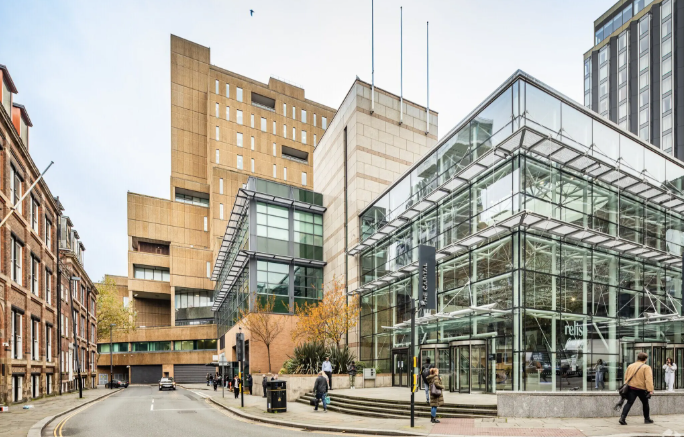 Navigating Regulations How LGSF Supports Modern Commercial Building Standards
 -
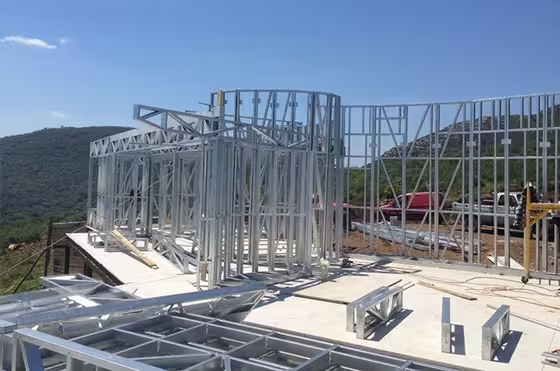 Calculating the True Cost: Efficiency Gains of Steel vs. Traditional Build
 -
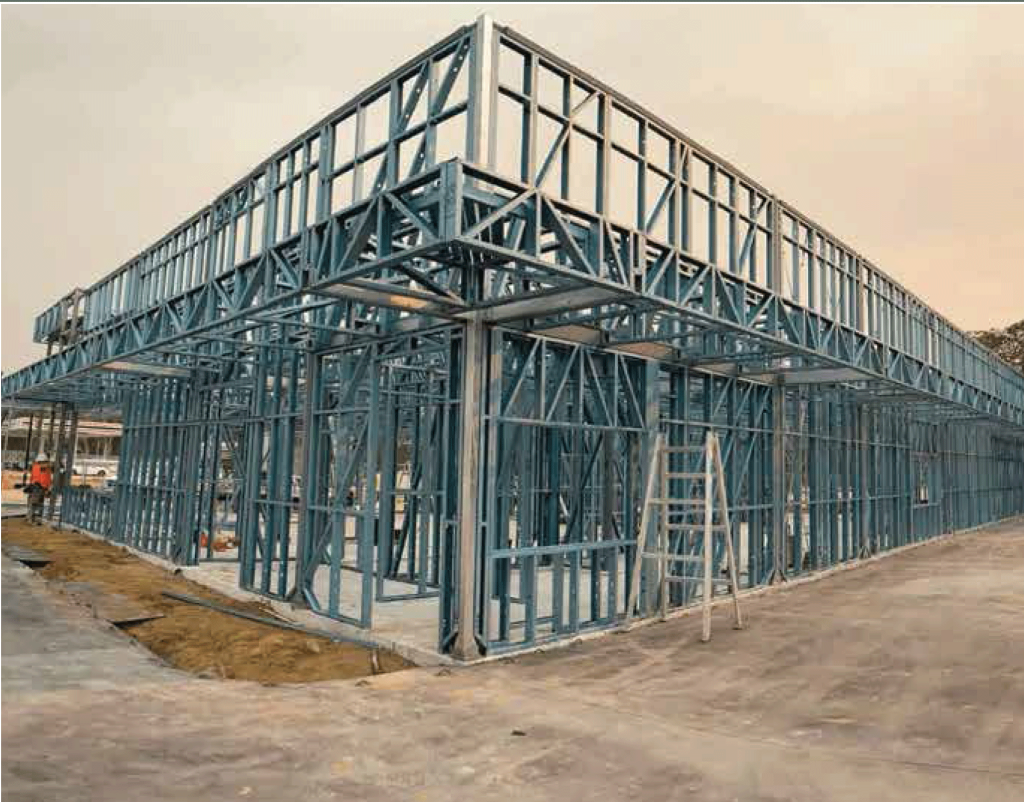 Streamlining Your Next Project A Contractor Guide to LGSF
 -
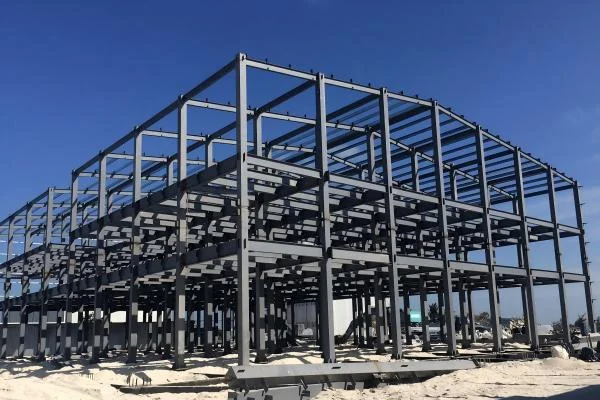 Future Proofing Your Asset: The Long Term Value of Steel Frame Construction
Steel vs traditional build cost Liverpool is one of the most important comparisons for homeowners and business owners planning a new build or extension. Most people focus on the initial quote, but the real cost includes build time, labour efficiency, energy performance, and long-term maintenance.
Across Liverpool, from Sefton Park to developments near Liverpool ONE, more projects are shifting toward steel framing because it offers better control over time and budget. You can also explore our full services on the homepage to see how modern construction solutions are delivered across residential and commercial projects.
Why Liverpool Projects Are Moving Away from Traditional Builds
Traditional brick construction has shaped Liverpool for generations. Homes near Albert Dock and Anfield reflect that history. However, rising labour costs, longer build times, and weather delays are making traditional methods less predictable.
Liverpool’s wet climate slows brickwork and increases labour time. Steel framing solves this by moving most of the work off-site. Components are manufactured in controlled conditions and assembled quickly, reducing delays and improving efficiency.
Understanding the Real Cost Beyond the Quote
The biggest mistake in construction planning is focusing only on upfront cost. Traditional builds often appear cheaper at the start, but hidden costs quickly add up. These include extended labour, material waste, and delays caused by weather or scheduling issues.
Steel framing offers more predictable pricing because the design is fixed early. This reduces unexpected expenses and improves budget control. When comparing steel vs traditional build cost Liverpool, steel often delivers better value over the full lifecycle of the building.
Build Speed and Its Impact on Total Cost
Time directly affects cost in any construction project. Steel frame construction can significantly reduce build time compared to traditional brick methods. Faster completion means lower labour costs, reduced temporary housing expenses, and quicker project delivery.
In busy areas such as Liverpool ONE or residential streets with limited access, shorter build times also reduce disruption and improve project efficiency.
Labour Efficiency and Reduced Site Risk
Labour shortages are a growing challenge across the UK. Steel framing requires fewer workers and less time on-site, which improves scheduling and reduces dependency on large teams. This helps contractors avoid delays and maintain consistent progress.
Fewer workers on-site also improve safety conditions, which is important for both residential and commercial developments.
Energy Efficiency and Long-Term Savings
Energy performance is now a key factor in construction decisions. Steel frame buildings allow precise insulation installation, reducing heat loss and improving energy efficiency. This results in lower heating costs over time.
For projects involving upgrades or additional space, solutions like Garden Rooms benefit from steel framing due to improved insulation and faster installation.
Durability in Liverpool Weather Conditions
Liverpool’s climate includes high moisture levels and strong winds. Traditional materials such as timber can be affected by moisture and long-term wear. Steel does not warp, rot, or shrink, which improves durability and reduces maintenance costs.
Buildings near the River Mersey particularly benefit from this long-term structural reliability.
Flexibility for Future Changes and Extensions
Modern homes and commercial properties need flexibility. Steel structures allow easier modifications and extensions without major structural changes. This is useful for homeowners planning future upgrades or expanding living space.
For example, projects like Annexes can be added efficiently using steel systems without disrupting the existing structure.
Environmental Impact and Waste Reduction
Sustainable construction is becoming increasingly important in Liverpool. Steel is recyclable and produces less waste compared to traditional building methods. Factory production reduces material waste and improves overall efficiency.
According to UK construction guidance, sustainable and energy-efficient building methods are now a key focus for modern developments.
Comparing Lifetime Value, Not Just Build Price
The real comparison between steel and traditional construction is long-term value. Steel offers faster builds, lower energy costs, reduced maintenance, and greater flexibility. Traditional construction may feel familiar, but it often leads to higher lifetime expenses.
For Liverpool homeowners and developers, choosing the right method means thinking beyond the initial price and focusing on long-term performance and reliability.
FAQs
Is steel frame construction suitable for Liverpool homes?
Yes, steel performs well in wet and windy conditions common in Liverpool.
Does steel construction cost more than traditional building?
Initial costs can be similar, but steel often saves money over time.
Can steel frames be used for extensions?
Yes, they are ideal for fast and efficient extensions.
Are steel buildings approved by UK regulations?
Yes, steel frame construction meets all required standards.
Do steel homes reduce energy bills?
Yes, improved insulation helps lower long-term energy costs.
Conclusion
Steel vs traditional build cost Liverpool is not just about the starting price. Steel construction offers faster builds, better efficiency, and lower long-term costs. It provides a smarter and more reliable solution for modern projects. Contact Acero Designs Ltd today to plan your build with confidence and long-term value in mind.